Analogy Thinking
Analogy Thinking is a way of reasoning by similarity. It helps people use knowledge from familiar domains to explore new ones, often applied in learning and innovation.
Categories
Thinking ModelsInnovation MethodsLearning Methods
Target Users
StudentsResearchersEntrepreneursProduct ManagerTeachers
Applicable
Innovation managementLeanrning new knowledgecross-disciplinary thinkingProblem Solving
#analogy #cross-domain innovation #thinking tool #learning method
🔍 What is Analogical Thinking
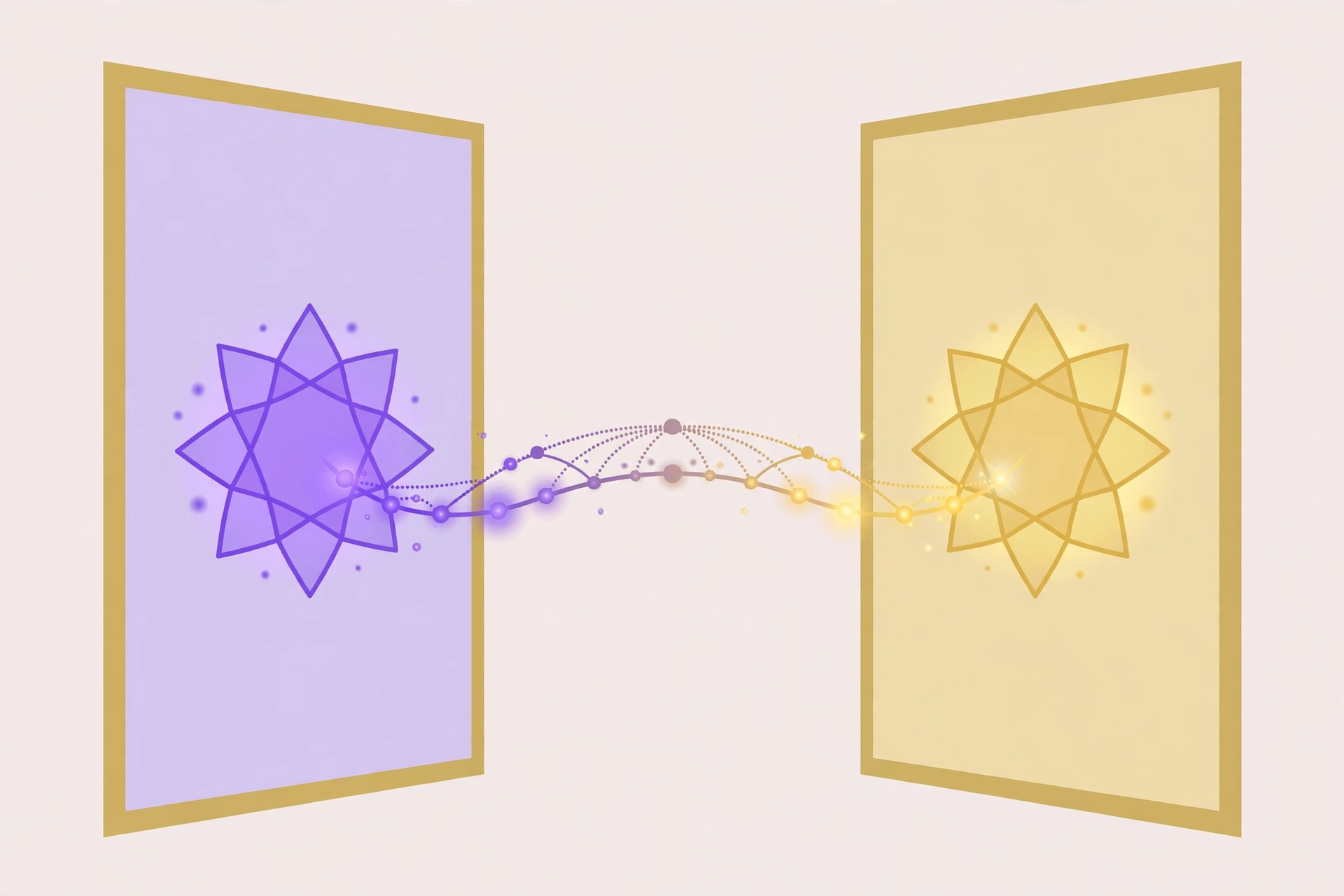
Analogical thinking is a way of reasoning and understanding through similarity.
It rests on a simple premise: if two things are alike in some respects, they may share common ground in others.
Put simply, it means explaining the unfamiliar with the familiar.
For example: when learning circuits, we compare electric current to water flow and voltage to water pressure — suddenly complex electrical concepts become intuitive.
📜 Origins and Key Figures
- Background: analogical thinking has existed throughout human history, traceable to ancient Greek philosophy and rhetoric.
- Key figure: Aristotle discussed the role of analogy in language and thought in his Poetics.
- Modern researchers: psychologists Douglas Hofstadter and Dedre Gentner studied analogical thinking systematically.
- Classic case: Einstein's elevator thought experiment, which led to the core insight of general relativity.
🛠️ How to Use Analogical Thinking
- Identify the target problem
- Find an analogy source
- Build the mapping
- Derive new insight
📚 Case Study
- Case 1 (science)
- Case 2 (education)
- Case 3 (business innovation)
✅ Strengths and Limitations
Strengths
- Helps grasp complex problems quickly
- Drives cross-domain innovation
- Sparks creative association
Limitations
- Analogies can be superficially similar yet fundamentally different
- Over-reliance on analogy may mislead
📌 Common Questions
- Is analogical thinking the same as metaphor?
- Is analogical thinking reliable?
🌍 Where It Applies
- Work: business model innovation, product design
- Learning: mastering new disciplines
- Life: explaining complex phenomena, communication
📖 Recommended Resources
Books
- Surfaces and Essences — Douglas Hofstadter
- Structure-mapping theory — Dedre Gentner
Other resources
- TED talk: The Art of Analogy
- Stanford cognitive science courses
🎯 In a Nutshell
Analogical thinking: solving the new with the old, meeting the strange through the familiar.